India’s ceramic industry has steadily built a strong presence in global markets, driven by manufacturing capabilities, competitive pricing, and export readiness. Over the past decade, the country has moved from being a cost-effective alternative to becoming a preferred sourcing destination for many international buyers.
Today, the narrative is evolving further. Indian manufacturers are not only competing on scale but are also focusing on quality consistency, design adaptability, and long-term partnerships. This shift is helping them strengthen their position in an increasingly competitive global market.
At the center of this growth is Morbi, Gujarat, widely recognized as one of the largest ceramic manufacturing clusters in the world.
India’s Growing Influence in Global Ceramic Trade
India’s presence in the global ceramic trade has grown significantly, with exports reaching multiple continents and serving diverse project requirements. From residential construction to large-scale commercial developments, Indian manufacturers are catering to a wide range of applications.
One of the key reasons behind this growth is the industry’s ability to balance volume with flexibility. Manufacturers can handle bulk orders while also adapting to specific requirements in terms of size, finish, and design.
In addition, global buyers are increasingly looking for suppliers who can offer:
- Stable production capacity
- Consistent quality across shipments
- Competitive yet sustainable pricing
- Transparent communication and reliable service
India is gradually meeting these expectations, making it a dependable sourcing hub for importers, distributors, and project developers.
Morbi: The Backbone of India’s Export Strength
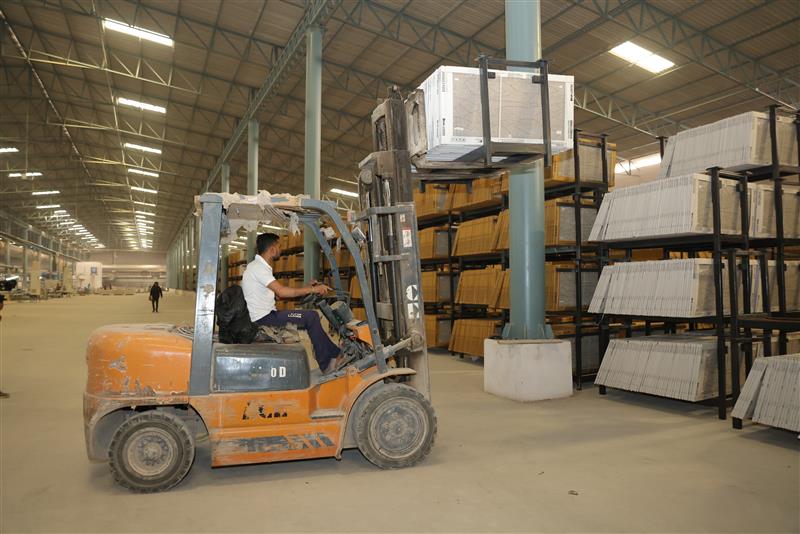
Morbi plays a critical role in positioning India as a global ceramic powerhouse. The region has developed a strong ecosystem that supports everything from raw material sourcing to finished product exports.
What makes Morbi unique is its ability to operate at scale while maintaining operational efficiency. The cluster includes:
- Hundreds of manufacturing units
- Supporting industries such as packaging and logistics
- Access to skilled labor with industry experience
- Well-connected transport networks for exports
This ecosystem allows tile manufacturers to respond quickly to market demands, reduce lead times, and maintain cost efficiency.
In recent years, Morbi-based companies have also started investing in advanced machinery, digital printing technologies, and design development, enabling them to cater to more premium and design-oriented segments.
Storico Ceramica: A New-Generation Export-Focused Manufacturer
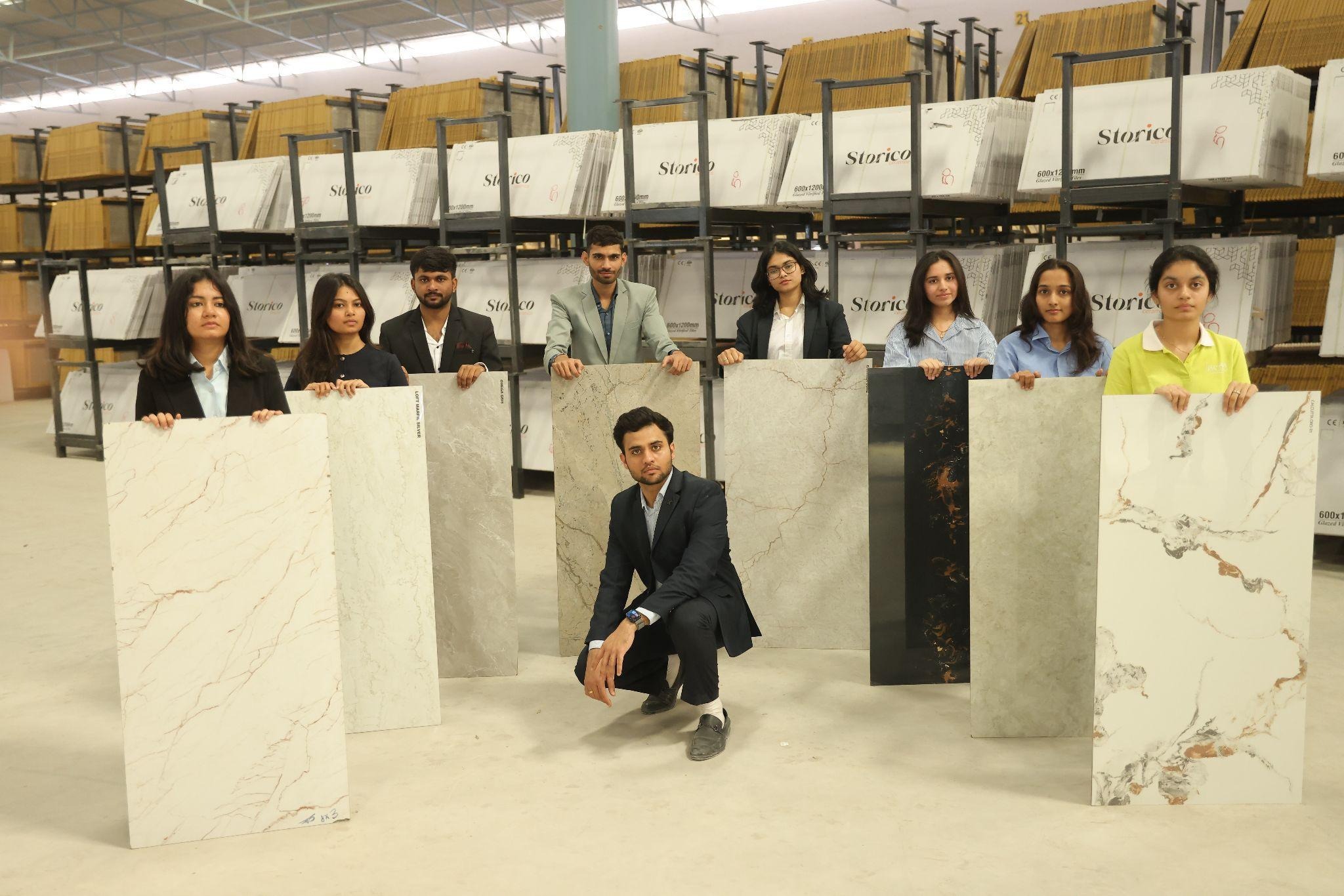
Among the emerging companies contributing to India’s export growth is Storico Ceramica, a porcelain tiles and large formate slab manufacturer as well as a renowned exporter based in Morbi.
Founded in 2023, the company represents a new generation of manufacturers that combine modern production capabilities with a clear focus on international markets. Rather than following a purely volume-driven approach, the company aligns its offerings with global demand trends.
With a manufacturing capacity of 57,600 square meters per day, Storico Ceramica is equipped to handle large-scale orders while maintaining consistency; an essential factor for buyers dealing with bulk imports and project-based requirements.
Its presence in Morbi provides access to a well-established industrial ecosystem, while its operational approach reflects a focus on efficiency, reliability, and export readiness.
Focus on Export-Oriented Production
The company’s production strategy is designed to meet the expectations of international buyers across different regions. This includes:
- Porcelain tiles suitable for both residential and commercial applications
- Large-format slabs aligned with modern architectural trends
- Uniform quality across batches to ensure consistency in large projects
- Timely delivery supported by structured production planning
In export markets, consistency is often more important than volume alone. Buyers rely on suppliers who can maintain the same standards across shipments, especially for long-term or repeat orders.
By focusing on these aspects, manufacturers like Storico Ceramica are positioning themselves as reliable partners rather than transactional suppliers.
Founder’s Perspective
Reflecting on the changing dynamics of the industry, the company’s founder emphasizes the importance of reliability and alignment with global expectations:
Global buyers today are looking for reliability as much as product quality. Consistency in supply, clarity in communication, and the ability to meet timelines have become just as important as the product itself.
As a manufacturer from India, our goal is to align with international expectations, not just in terms of production, but also in terms of design, service, and long-term partnerships.
This perspective highlights the broader shift taking place across the industry, where success is no longer defined only by output but by overall value delivery.
From Cost Advantage to Value Offering
Traditionally, India’s ceramic exports were driven by cost competitiveness. While pricing remains an important factor, the focus is now shifting toward value creation.
Manufacturers are investing in:
- Design innovation to match global trends
- Product development tailored to specific applications
- Improved quality control processes
- Better customer service and communication
This shift is enabling Indian companies to move up the value chain and compete with established global players. It also helps build stronger relationships with buyers who prioritize reliability and long-term collaboration.
Expanding Opportunities in Global Markets
The demand for ceramic and porcelain-based materials continues to grow across various regions. Urbanization, infrastructure development, and evolving design preferences are driving this demand.
Markets in the Middle East, Africa, Latin America, and parts of Europe are actively sourcing from India due to its ability to offer a balance of quality, scale, and pricing.
For exporters, this presents an opportunity to expand their reach while diversifying their market presence. Companies that can adapt to regional preferences and maintain consistent supply are likely to benefit the most from this growth.
Wrap Up
India’s ceramic manufacturing sector is steadily strengthening its position in global trade. Backed by established hubs like Morbi and driven by companies focusing on export readiness, the country is evolving into a reliable and competitive sourcing destination.
Manufacturers such as Storico Ceramica reflect this transformation, combining production capacity, consistency, and a global outlook to meet the expectations of modern buyers.
As the industry continues to grow, the emphasis will remain on delivering not just products, but reliability, value, and long-term partnerships.
For business inquiries and export collaborations, connect at info@storicoceramica.com.